
Walk through our showroom at 52 S Market St and you'll see end tables, console tables, armoires, chests, dressers and bookcases in every style, from glossy reddish-brown traditional pieces to chalky painted French chests. Most of that furniture is built from one of two woods: mahogany or pine, depending on the piece. Here's what each wood is, why it's chosen for certain pieces, and what that means when you bring one home.
Mahogany: the classic hardwood
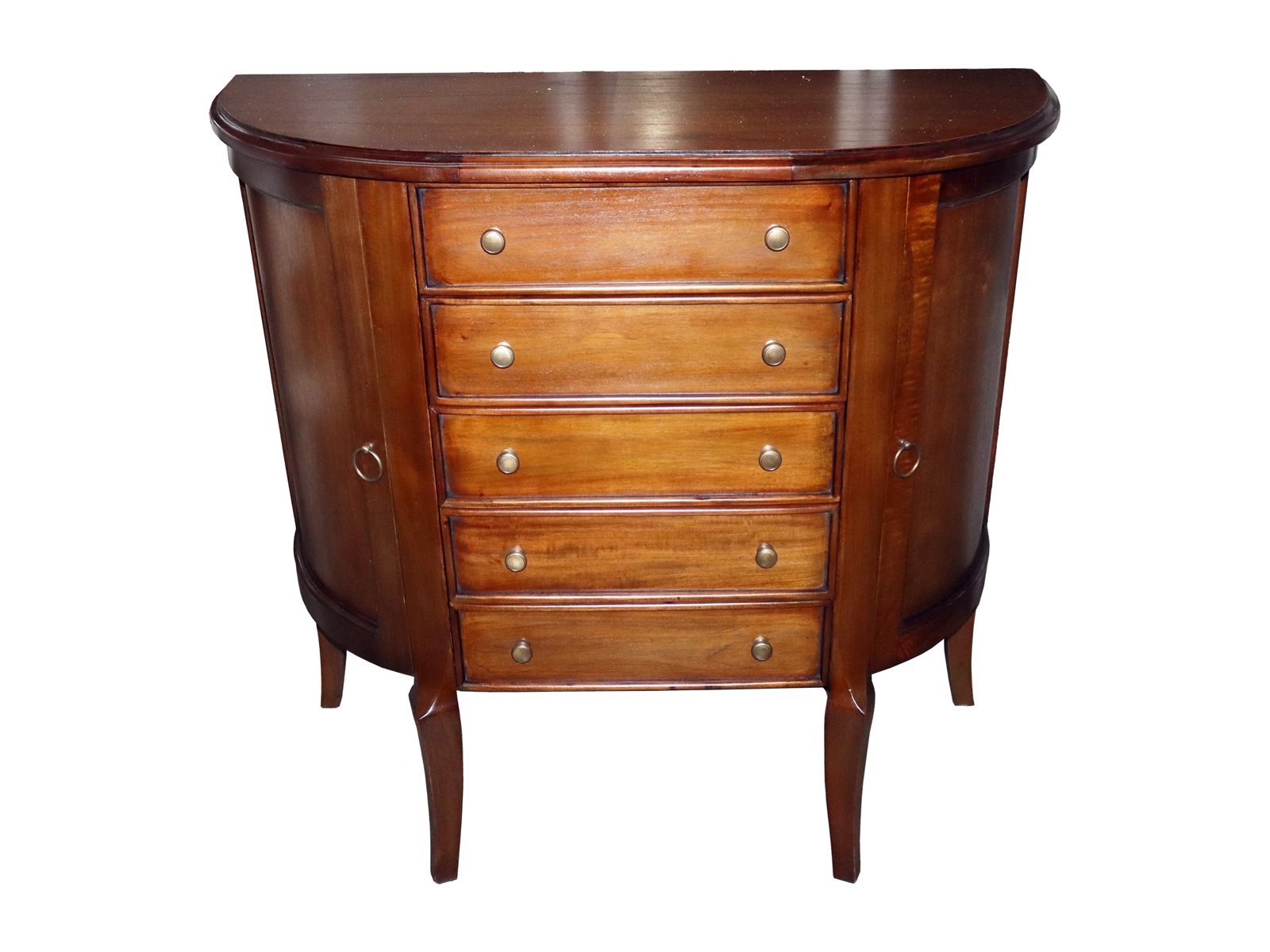
Mahogany is a tropical hardwood that furniture makers have prized for centuries. What makes it special:
- Color that deepens with age. Mahogany has a warm reddish-brown tone that grows richer over the years.
- Fine, even grain. It sands smooth and takes stain and polish beautifully, which gives it that glowing traditional finish.
- Stable and strong. Mahogany is dense and holds its shape well, with less tendency to warp or swell than many woods.
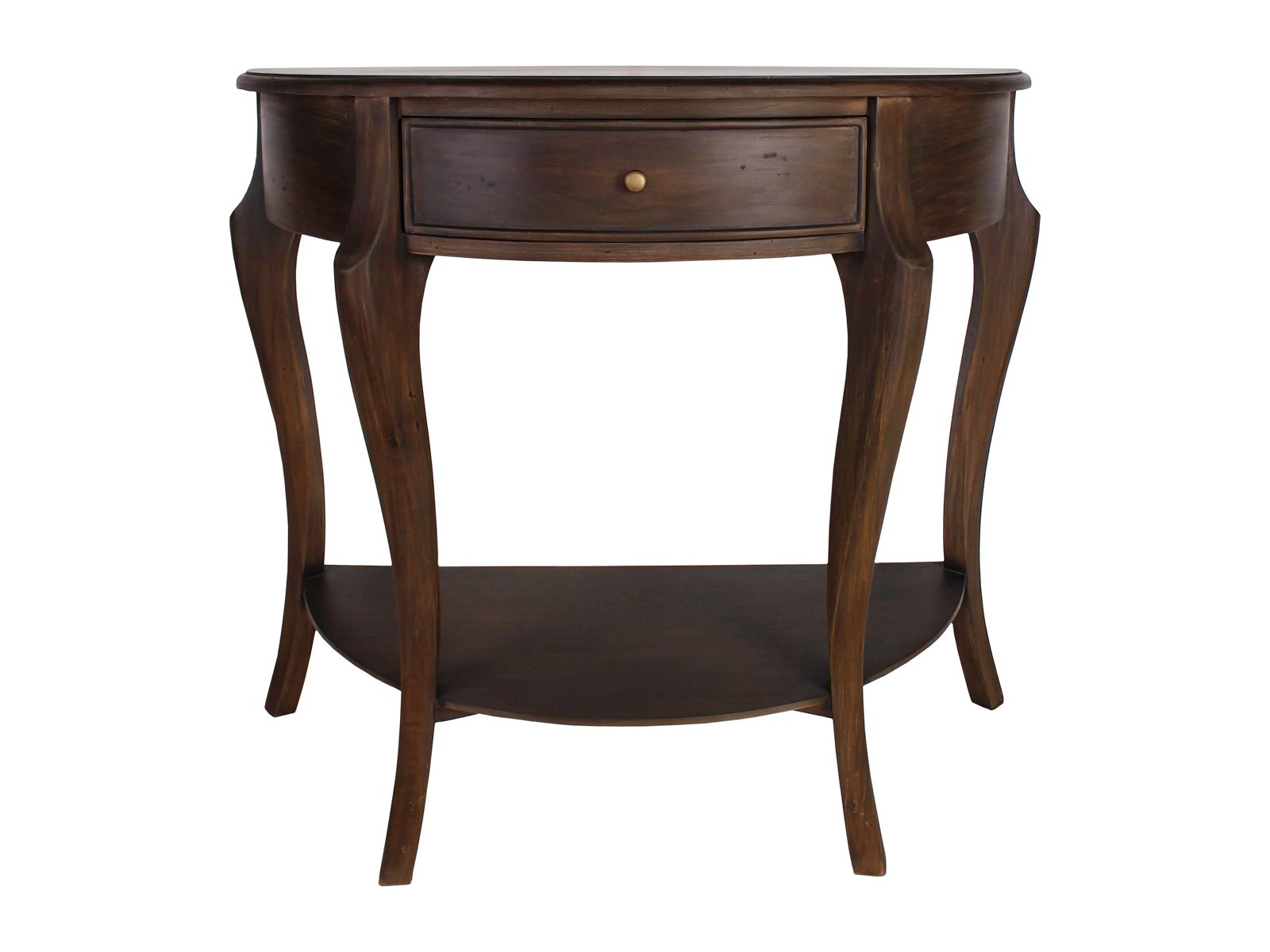
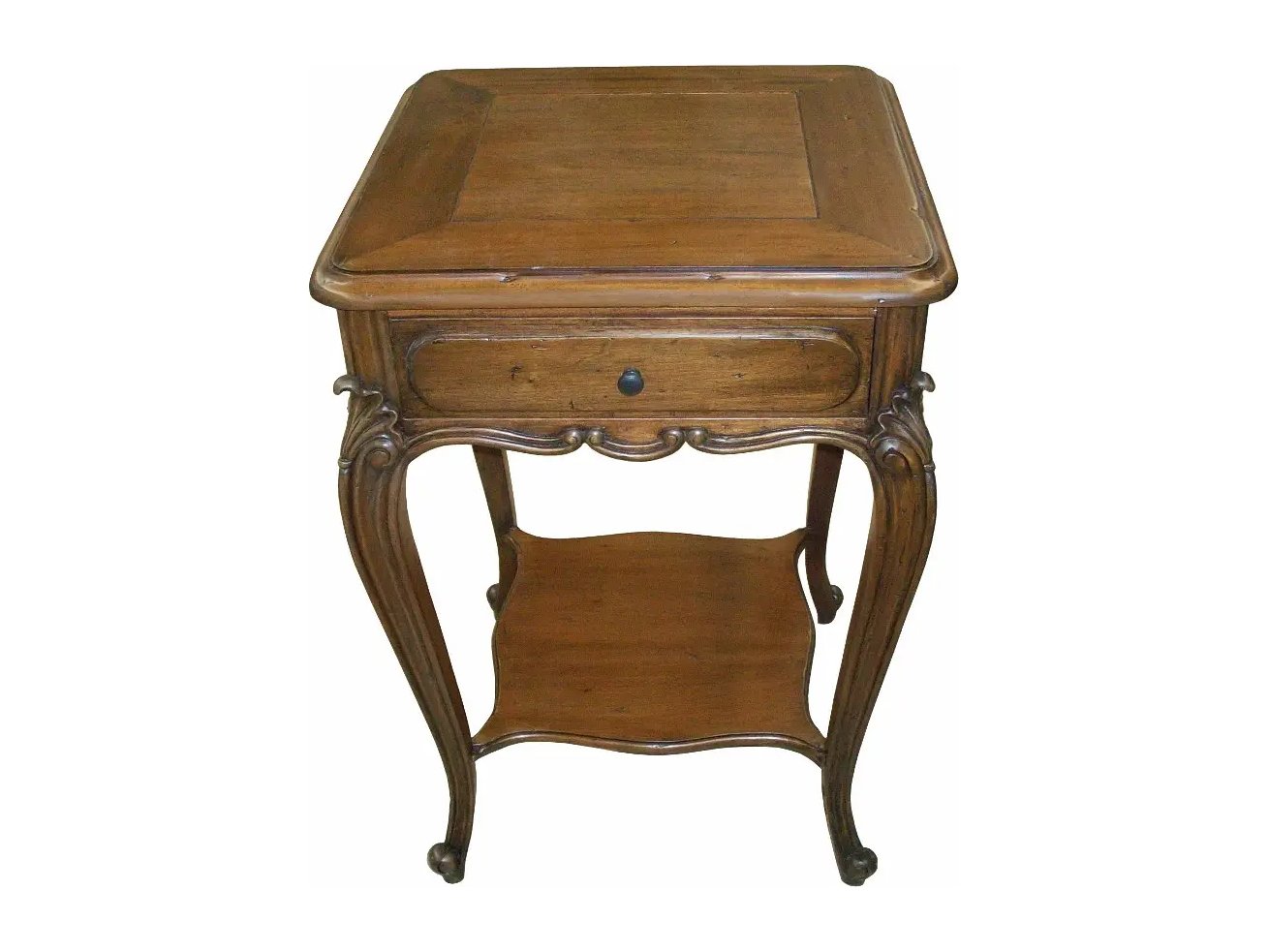
- Great for detail. It holds crisp carving, curved legs and shaped fronts, which is why you see it on serpentine chests, demilune consoles and carved end tables.
Mahogany is the natural choice for pieces you want to look formal and polished, and for heirloom-style furniture meant to last for generations.
Pine: the warm, versatile softwood
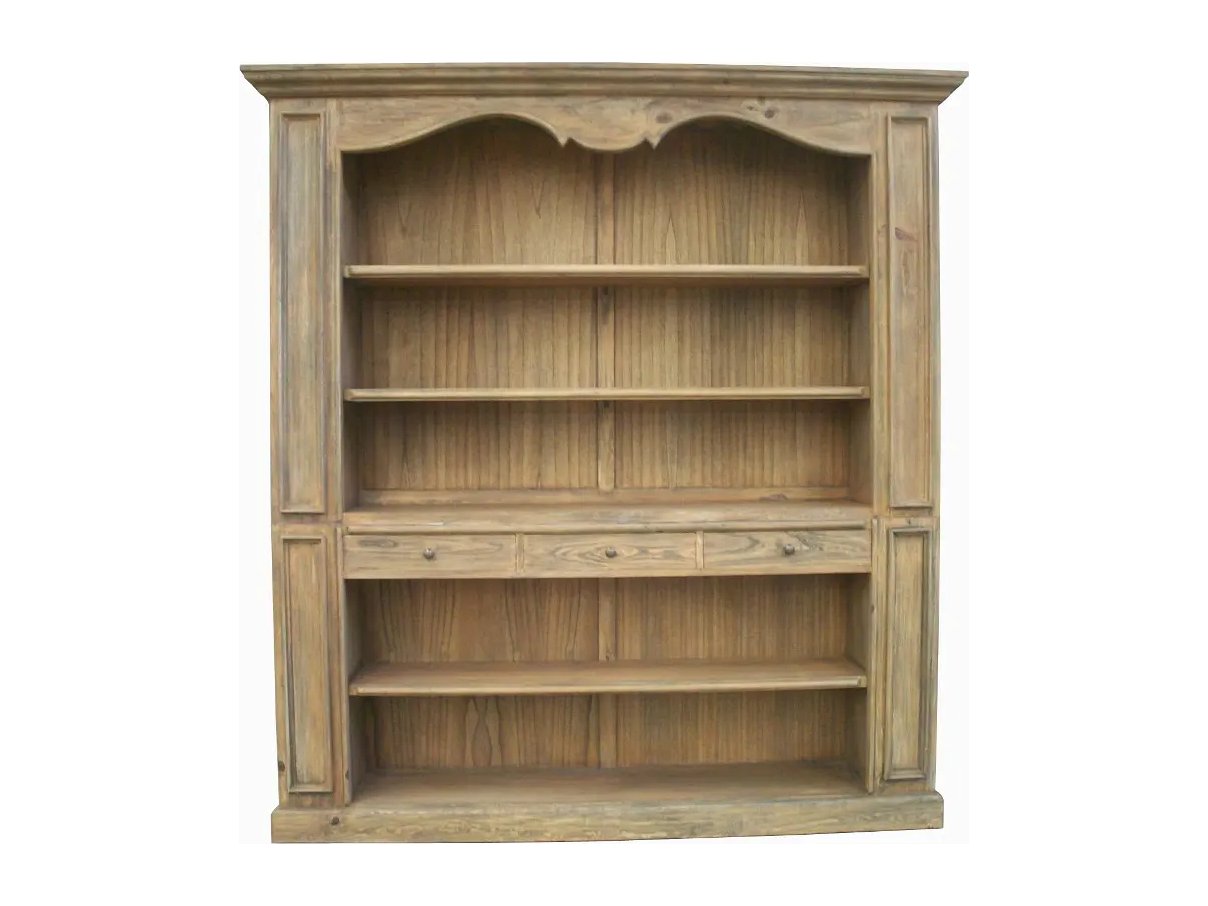
Pine is a softwood, lighter in weight and color than mahogany, and it has its own strengths:
- Natural character. Pale yellow wood with visible knots and grain, mellowing over time to a warm honey or amber tone.
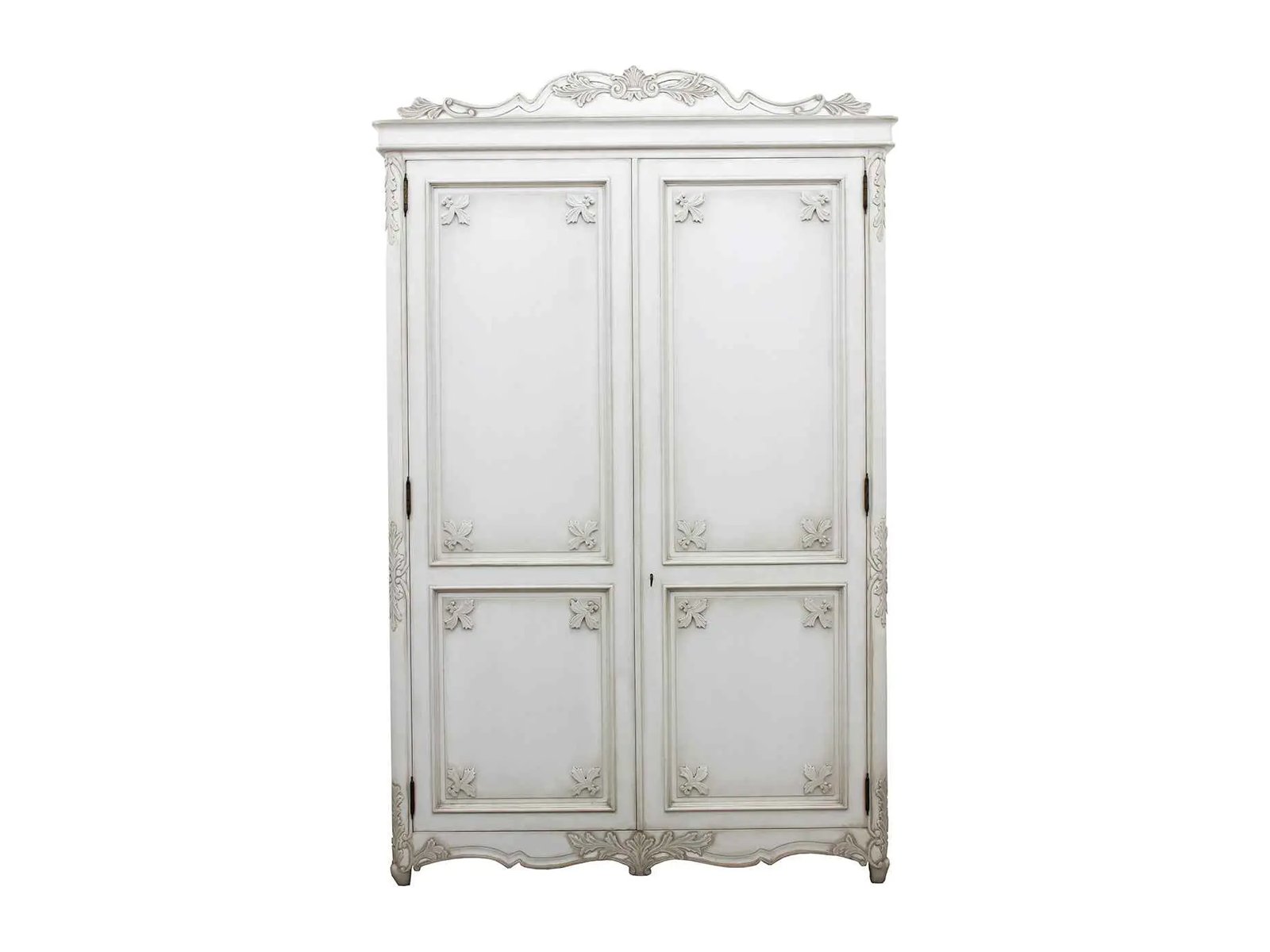
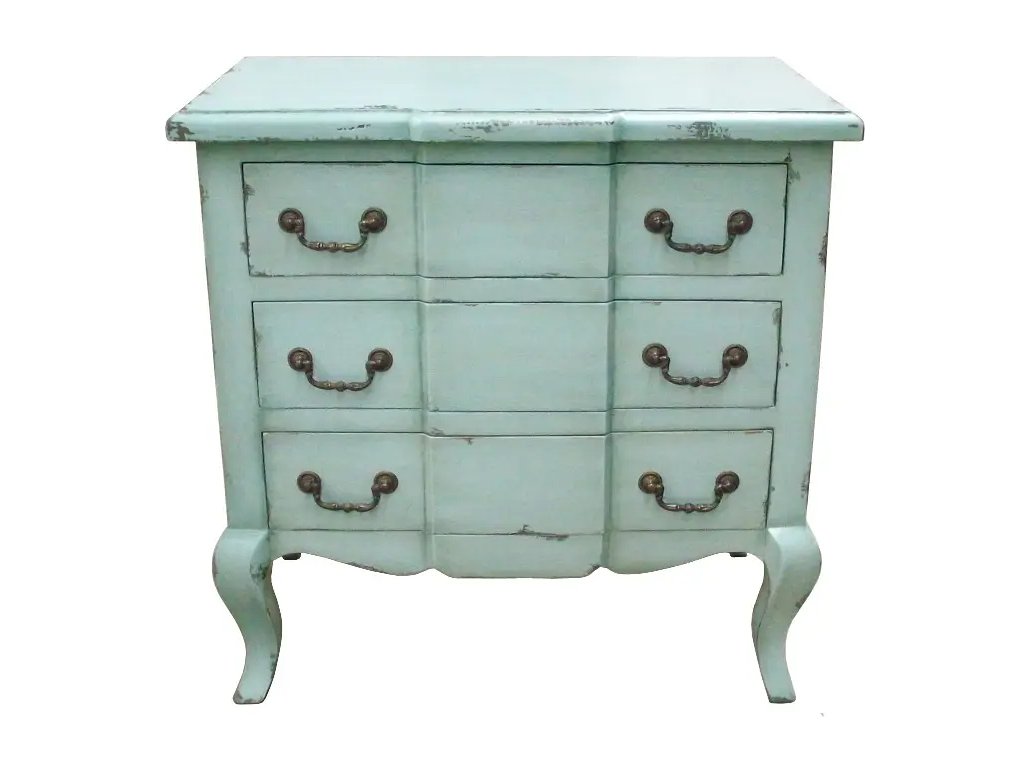
- Takes paint beautifully. Most painted, distressed and washed finishes, like cottage whites, French grays and soft blues and greens, start with pine.
- Lighter weight. Large pieces like armoires, bookcases and hutches are easier to move and carry upstairs.
- Relaxed and forgiving. Pine is softer, so it can pick up small dents over time. On rustic and distressed pieces, that wear is part of the look.
Pine suits farmhouse, cottage, coastal and French country rooms, and big storage pieces where a lighter, more casual look works best.
Which wood for which piece?
End tables and side tables
End tables take daily use from lamps, drinks and remotes. Mahogany end tables with carved legs and a polished top suit a traditional living room. Painted or natural pine side tables bring a lighter, casual feel to cottage and farmhouse rooms and bedrooms.
Console tables
A console table is often the first thing guests see in an entryway or behind a sofa. Demilune and curved-leg consoles in a deep mahogany finish make a polished first impression. Long, plain-lined pine consoles in a natural or washed finish work well in casual rooms.
Armoires
Armoires are big, so weight and finish matter. Pine armoires are lighter to move and are often painted, distressed or given a carved French-country crown. Mahogany armoires have a more formal, furniture-grade look for a primary bedroom or dining room.
Chests, dressers and nightstands
Drawers are where the wood shows its quality day after day. Mahogany chests and dressers suit serpentine fronts and polished tops. Pine chests are often painted in soft colors with antiqued hardware, a favorite for guest rooms and entryways.
Bookcases, hutches and cabinets
Large open bookcases and hutches are often pine, which keeps them lighter and suits natural, washed or painted finishes. Glass-front display cabinets come in both woods, depending on how formal a look you want.
Caring for mahogany and pine furniture
- Dust with a soft, dry or barely damp cloth. Skip all-purpose sprays and anything with ammonia or silicone.
- Use coasters and trivets. Water rings and heat marks are the most common damage on tabletops of either wood.
- Keep it out of strong direct sun and away from heat vents. Sunlight fades and changes wood color, and dry heat can open cracks and loosen joints.
- Keep humidity steady. All solid wood moves a little with the seasons, and a home that isn't too dry in winter keeps drawers sliding smoothly.
- Polish or wax occasionally on stained mahogany finishes, following the product label. Painted pine needs only gentle dusting.
- Embrace a little character. Small dents and wear on pine, and a deepening color on mahogany, are part of how real wood ages.
See it in person in Downtown Frederick
Photos only go so far. You'll understand the difference between mahogany and pine the moment you open a drawer or run a hand across a tabletop. Visit our furniture showroom at 52 S Market St in Downtown Frederick. We're open Wed–Sat 11am–6pm and Sun 12pm–5pm, or call (301) 696-0066 and ask what's on the floor. Looking after teak too? Read how to care for outdoor teak furniture.